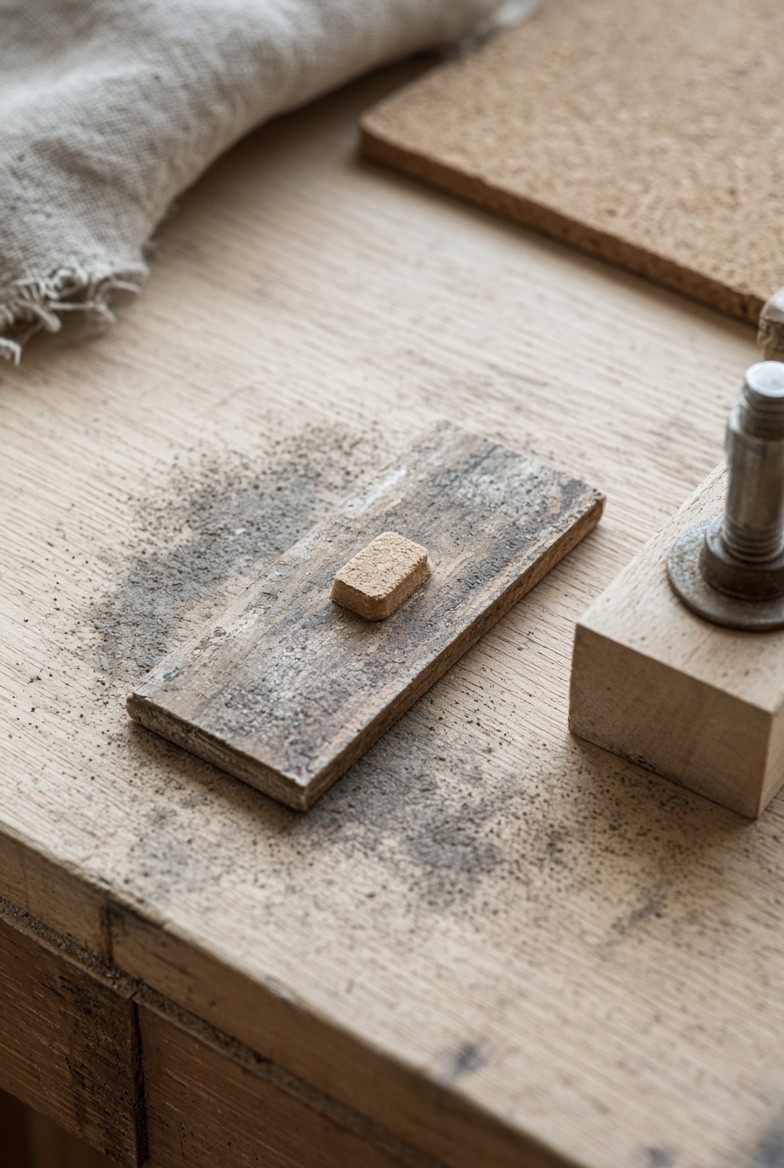
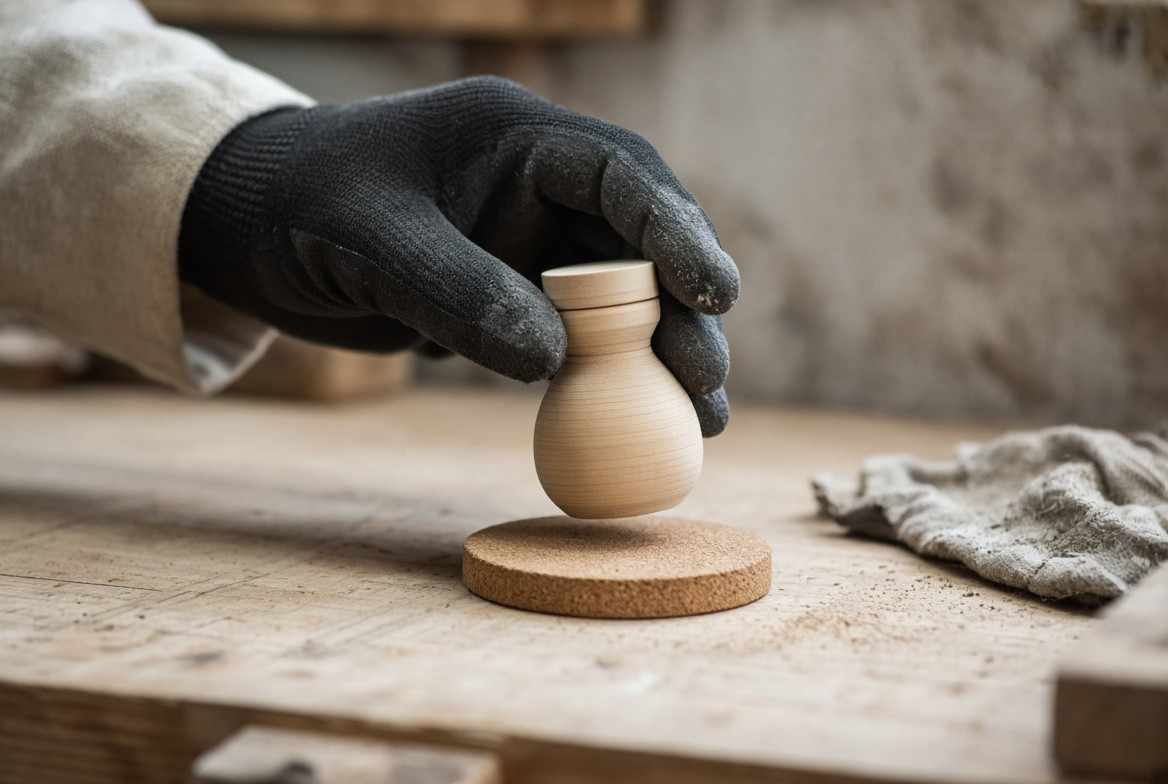
Meet before you move.
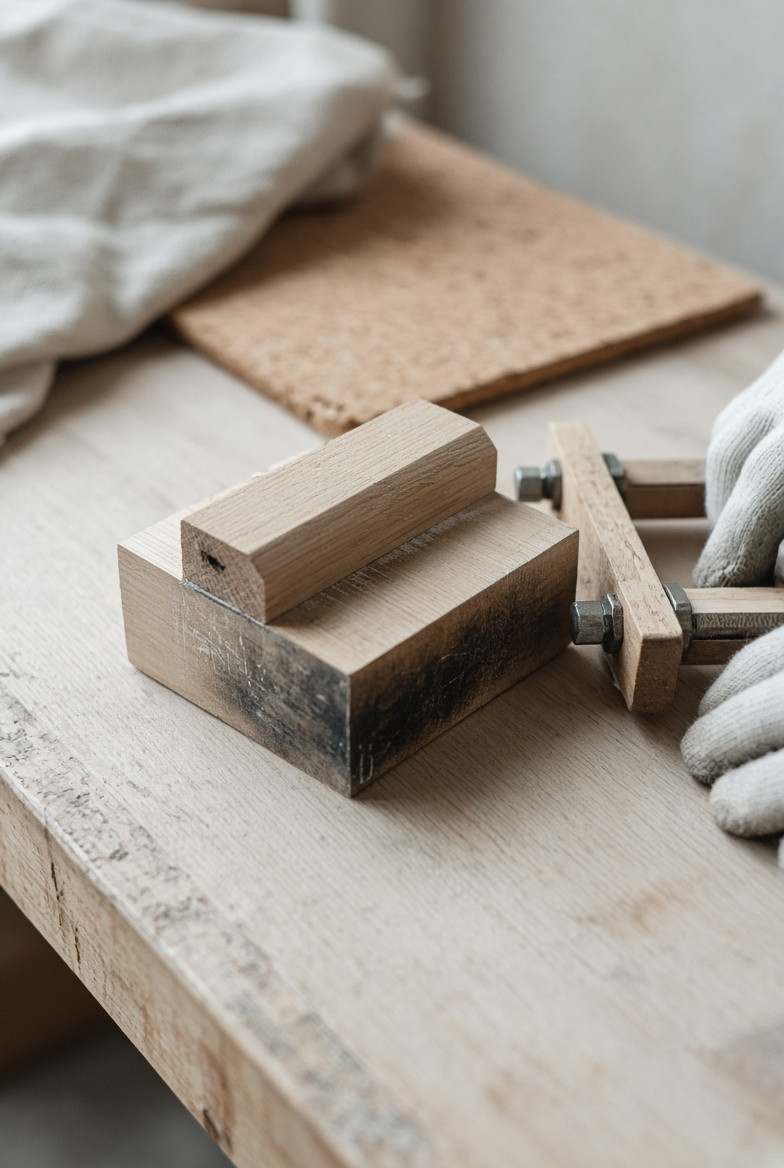
Fitpath begins with one harmless fictional workpiece under honest north light. Tap a visible relationship, compare two evidence views, leave uncertainty in sight, and pass the context forward.
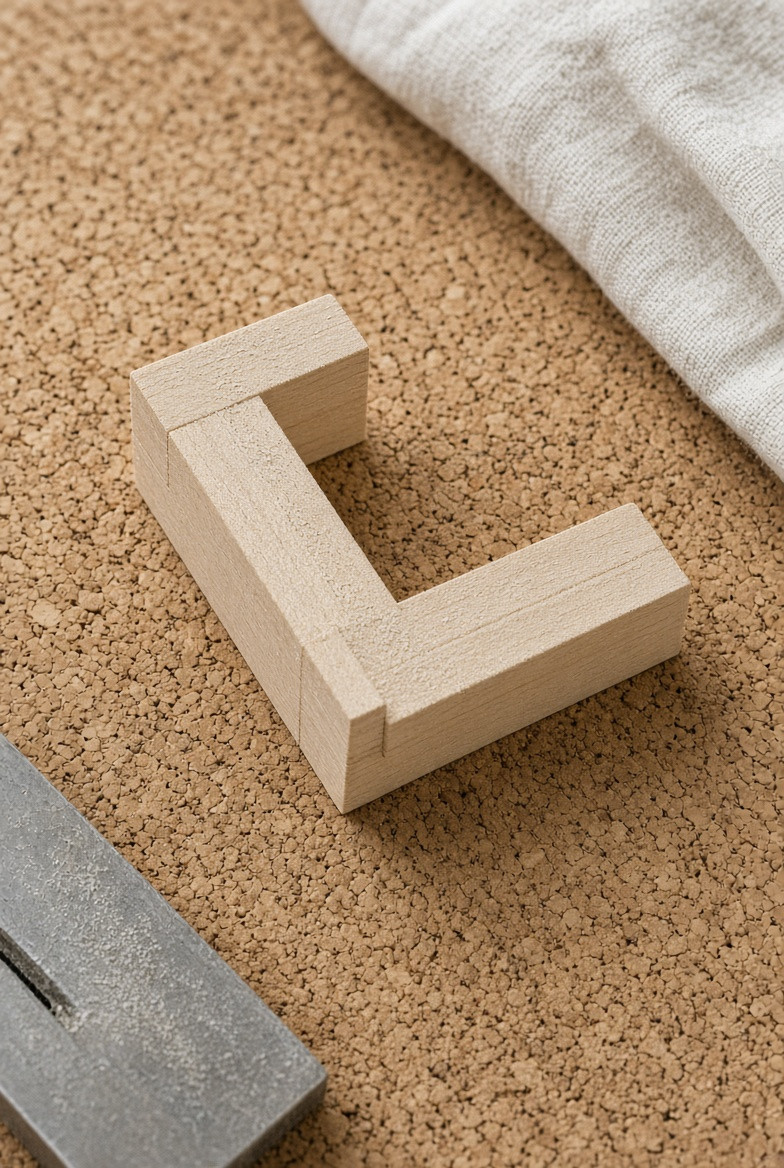
Keep one face steady.
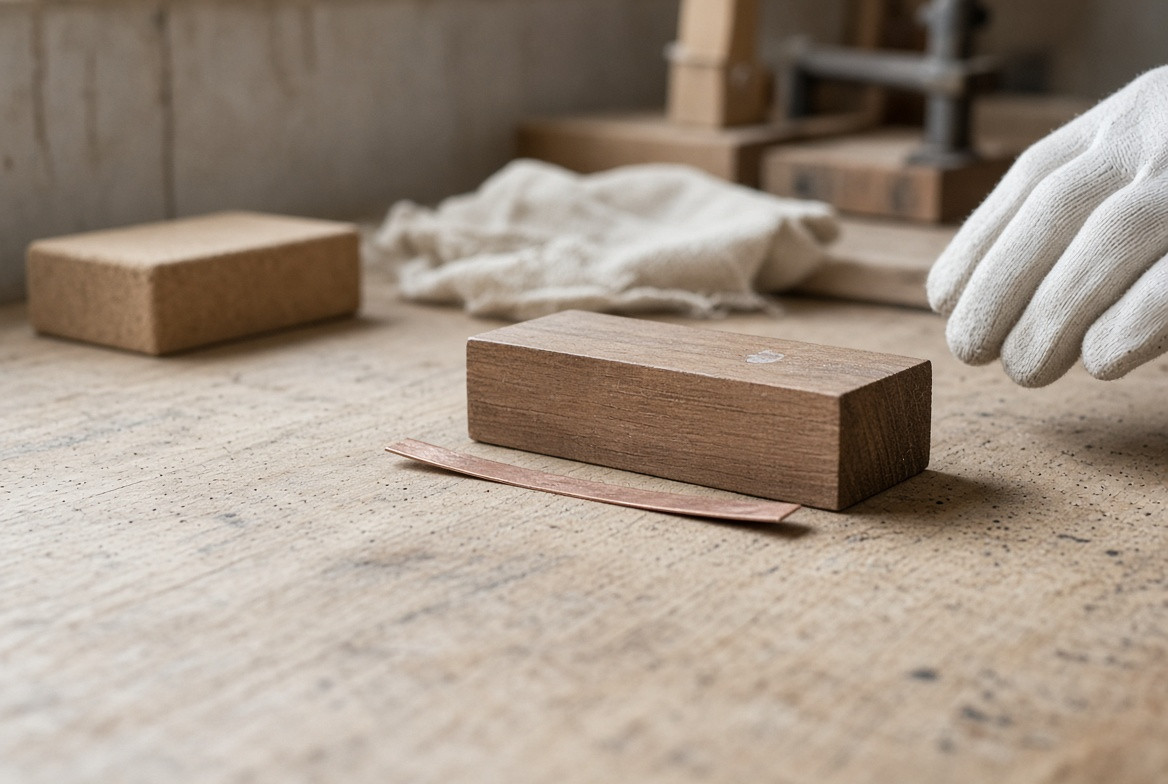
A reference gives two views a shared starting point. Fitpath asks what remains visually stable, not what dimension to cut or what tolerance to meet.
Publicly available information about the Stanley E. Greene Jr Skilled Trades Foundation is limited. A nonprofit record places it in a broad job-training category, but public sources do not establish a particular trade, course, instructor, facility, admission path, apprenticeship or credential.
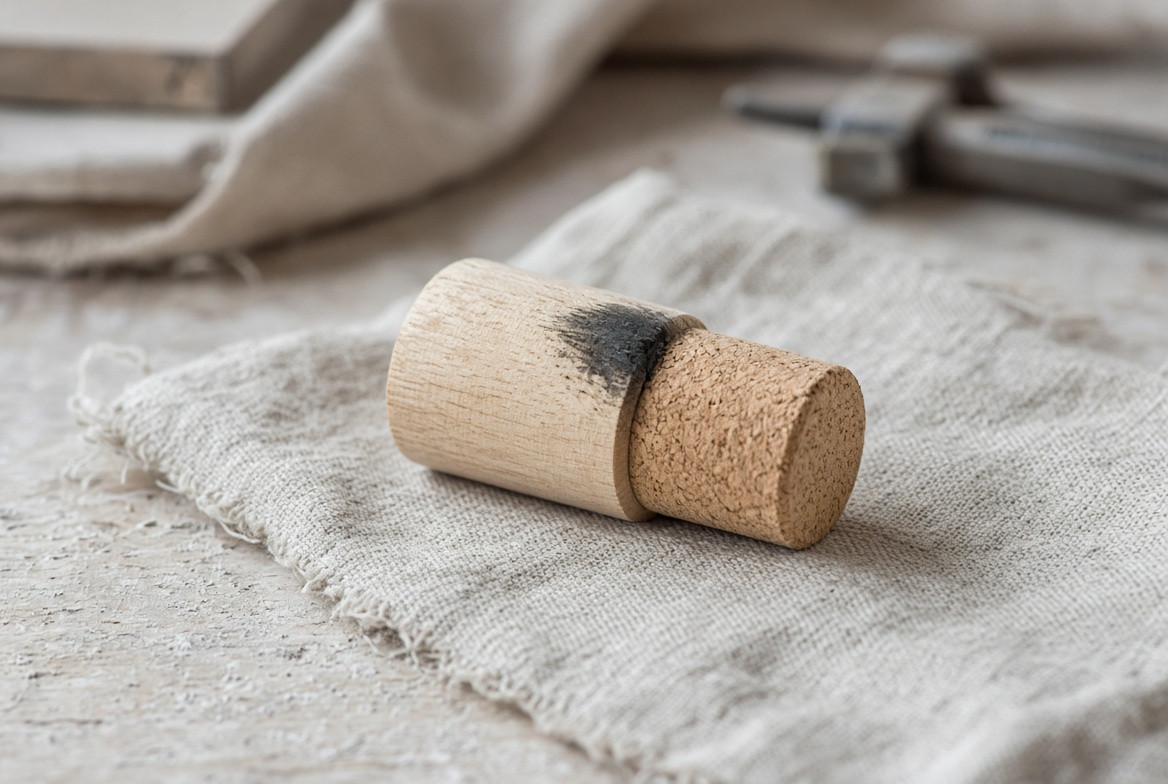
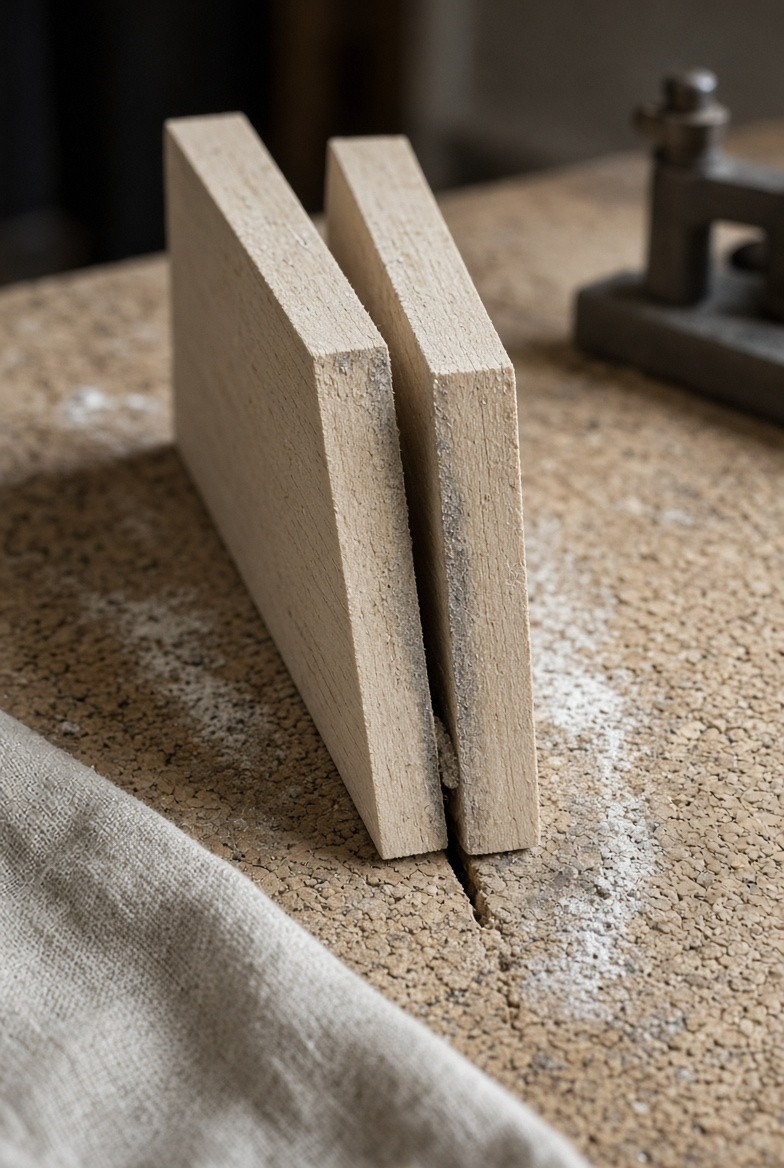
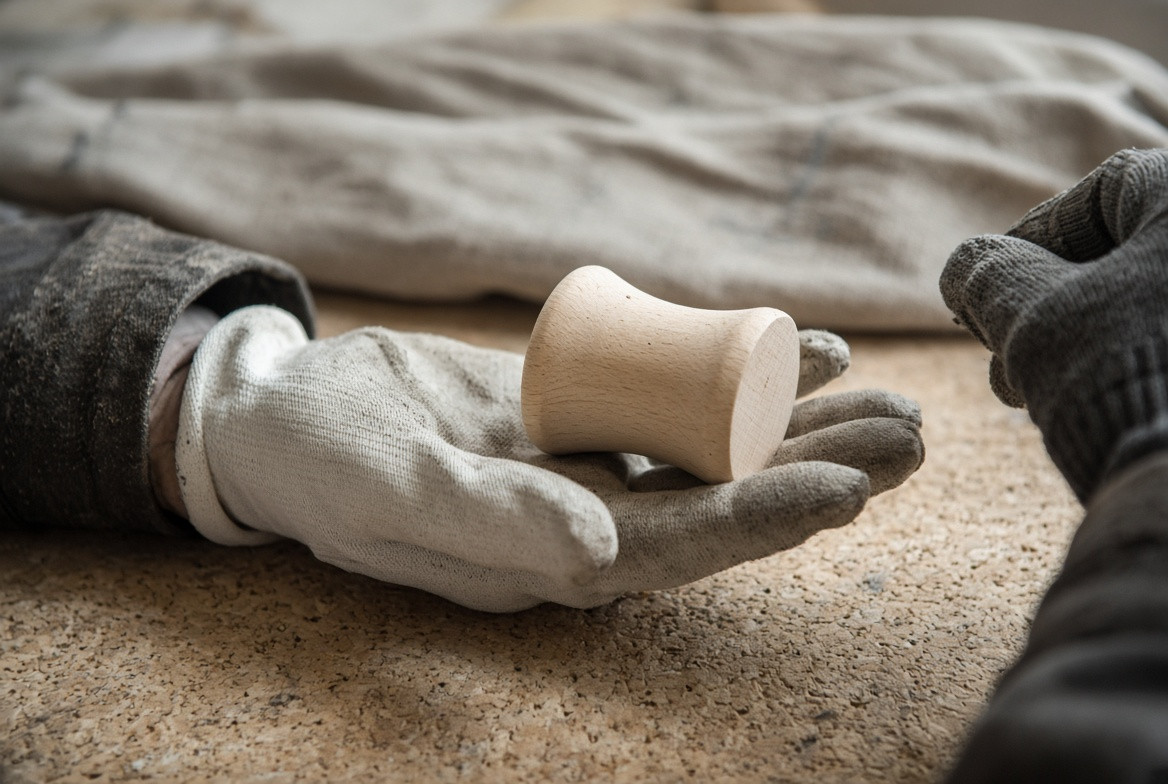
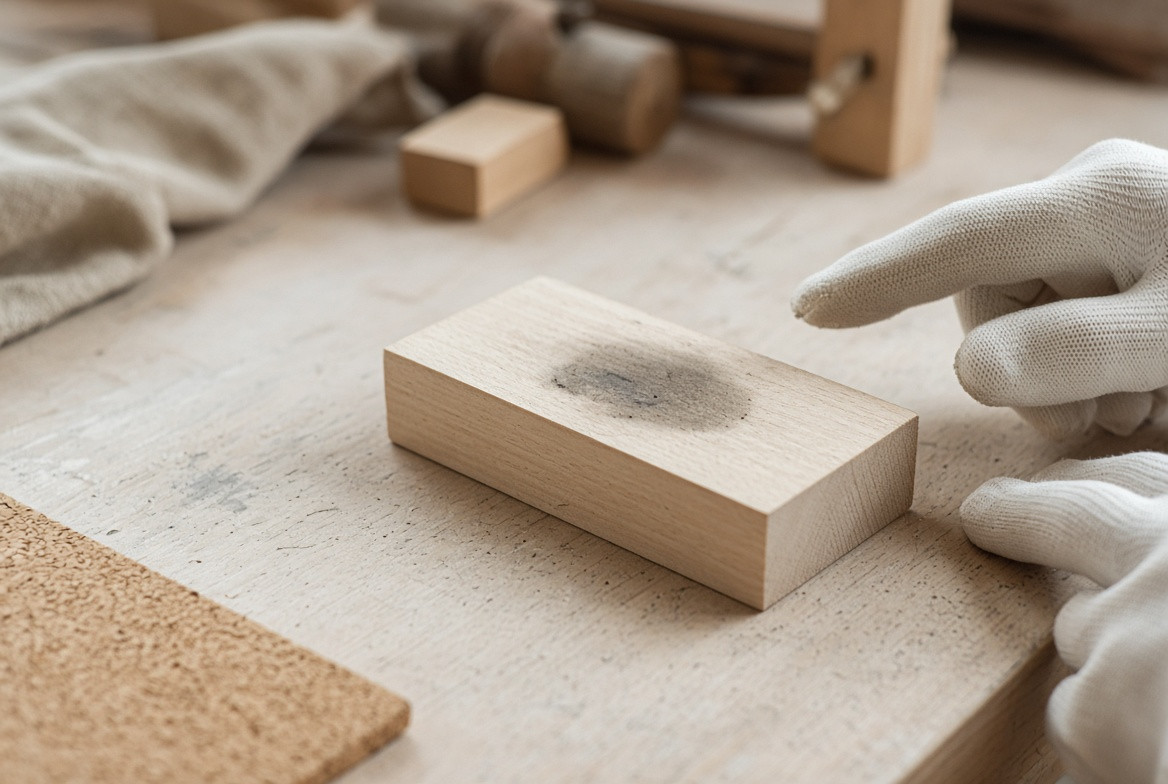
Contact is a pattern, not a verdict.
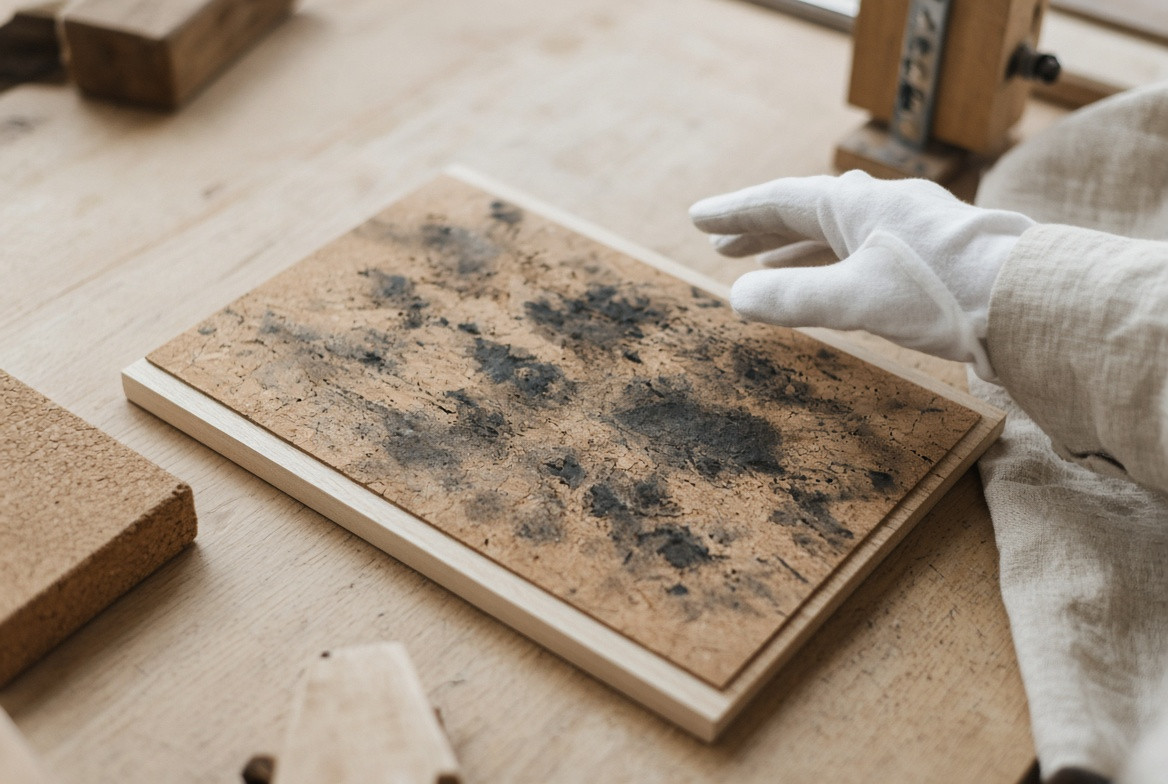
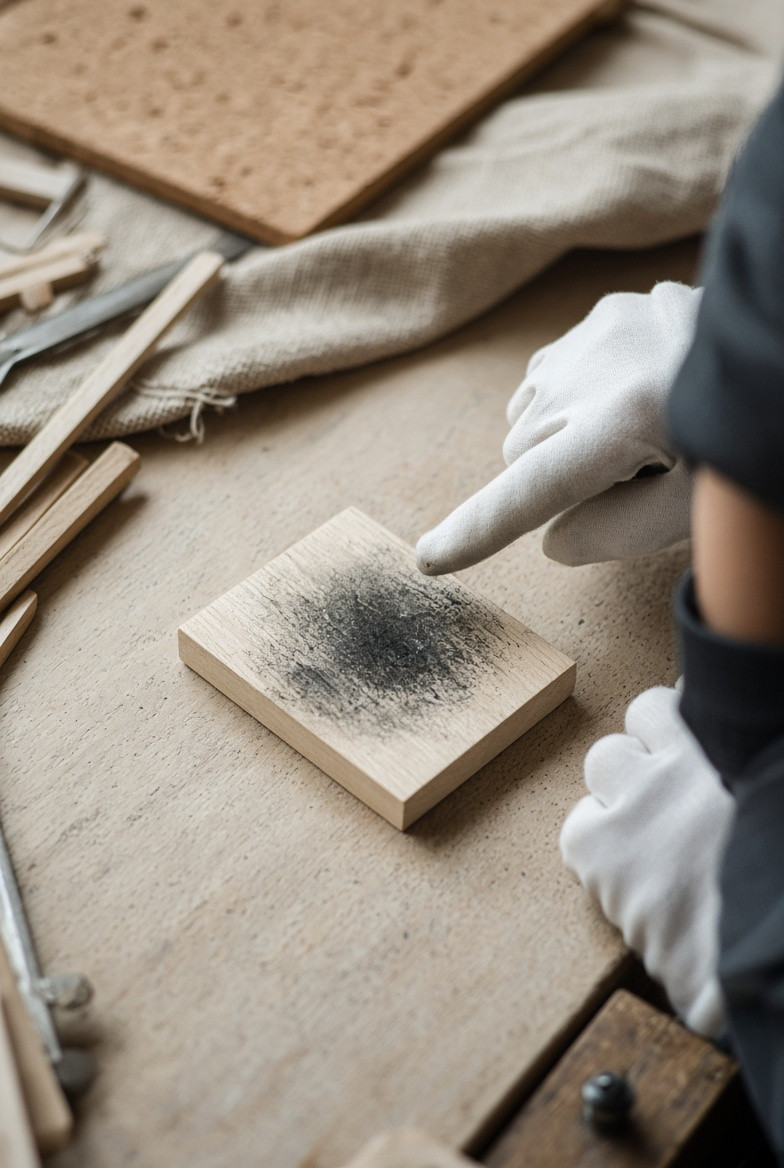
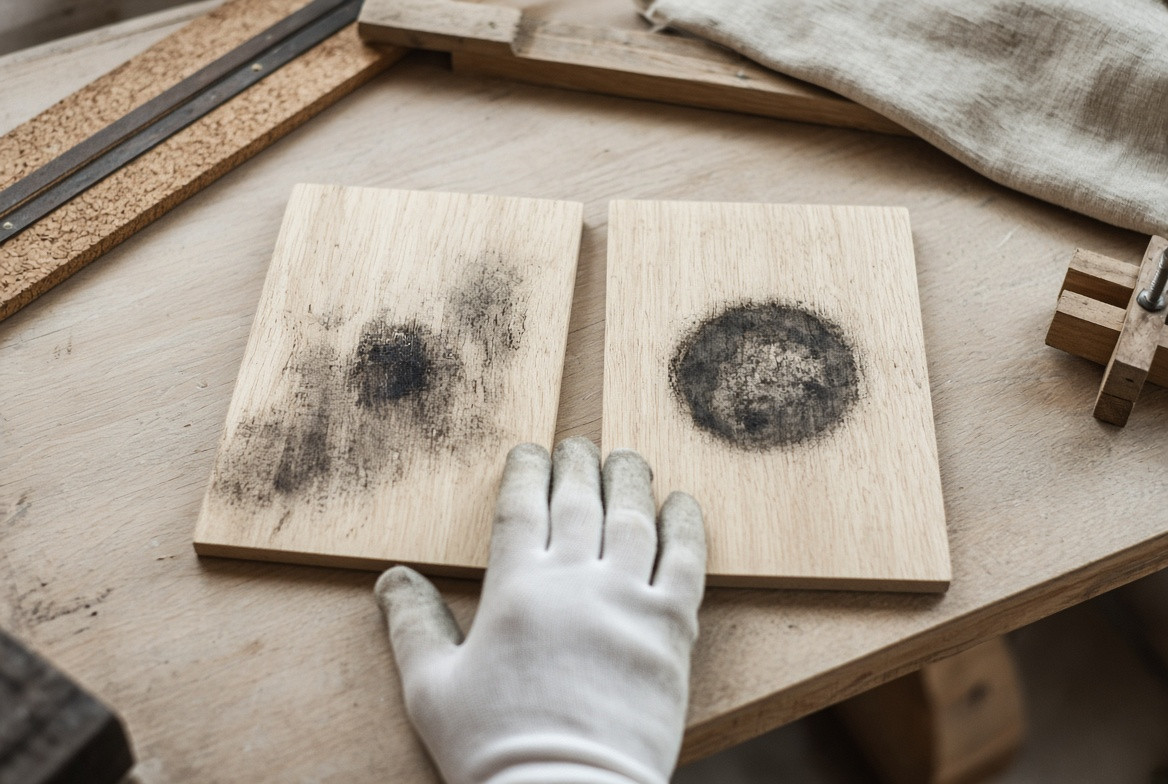
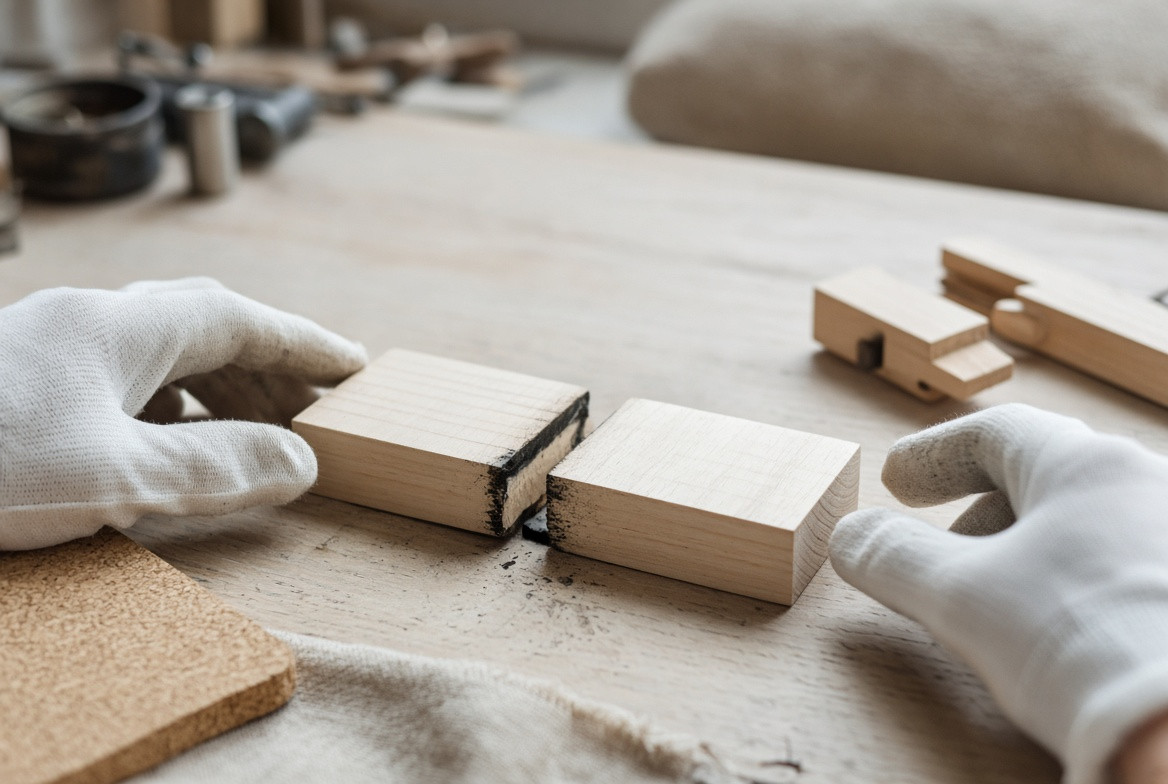
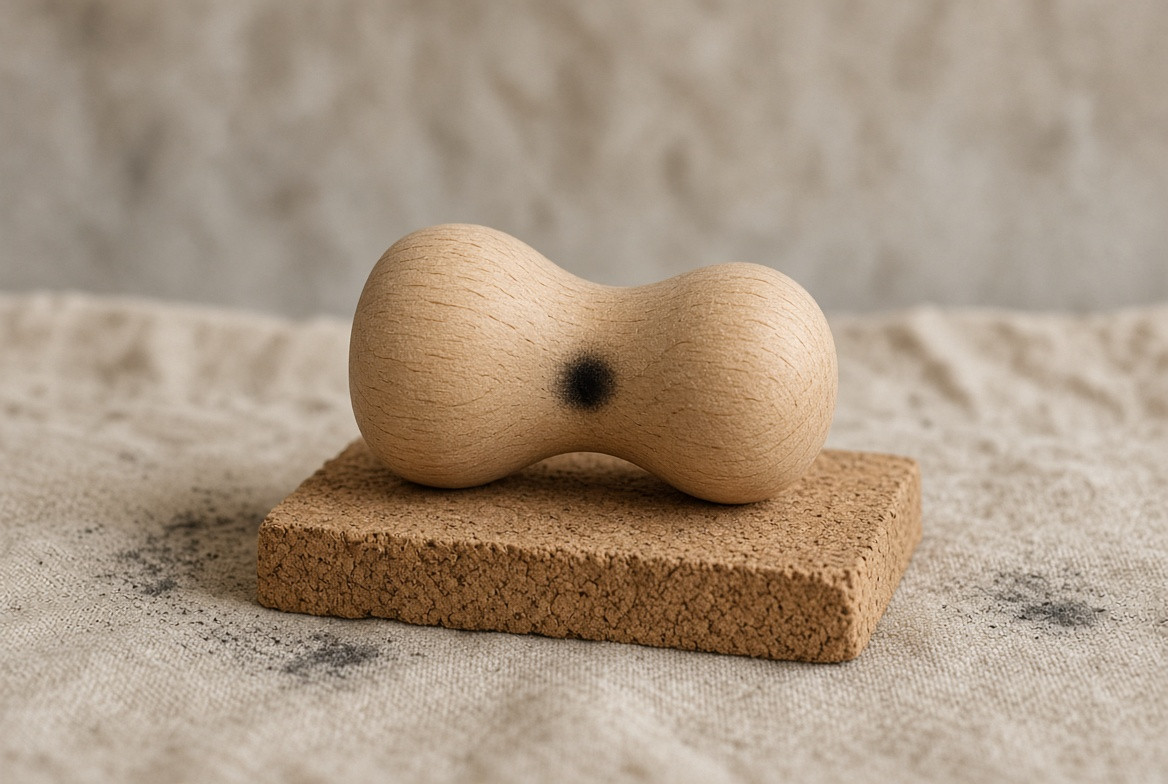
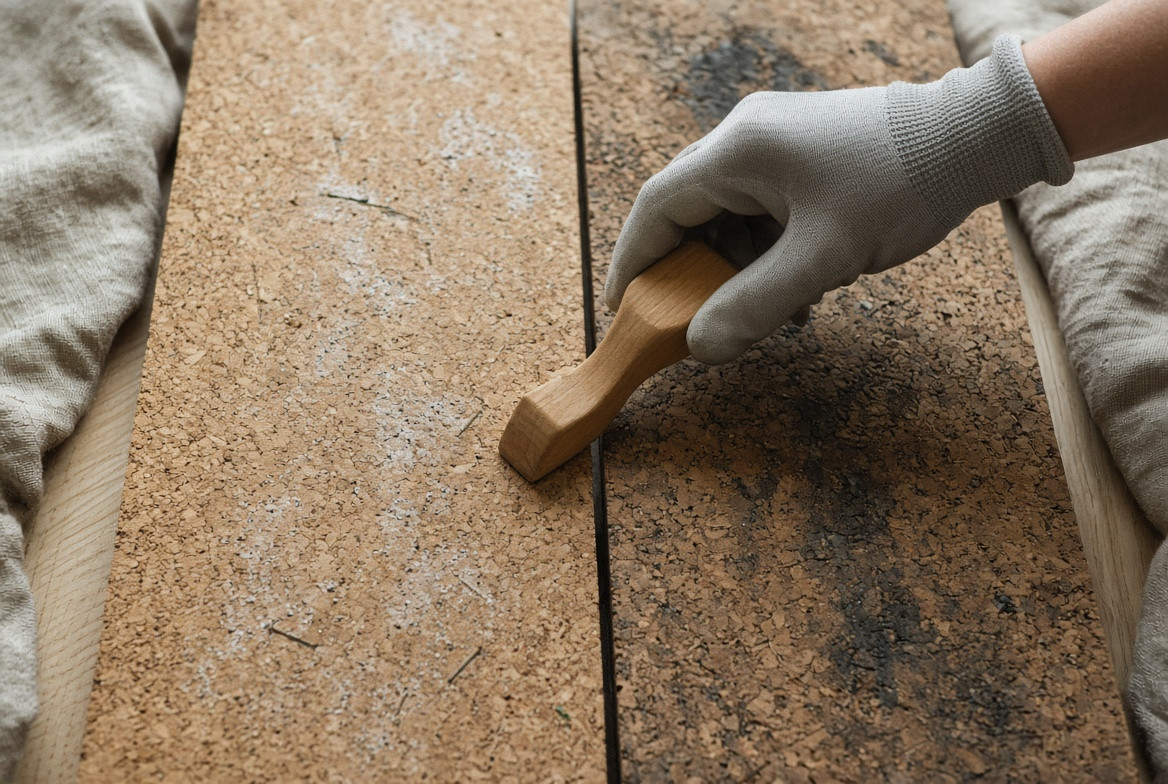
Removable soot and chalk make a fictional contact field visible. A broad mark, a concentrated island and an open perimeter can sit beside each other without becoming a score or pass/fail judgment.
Eight native hotspots stay attached to the workpiece: reference, contact, opening, support, change, stop point, alternate view and handoff context. The image remains spatially stable while the evidence changes.
Give uncertainty room.
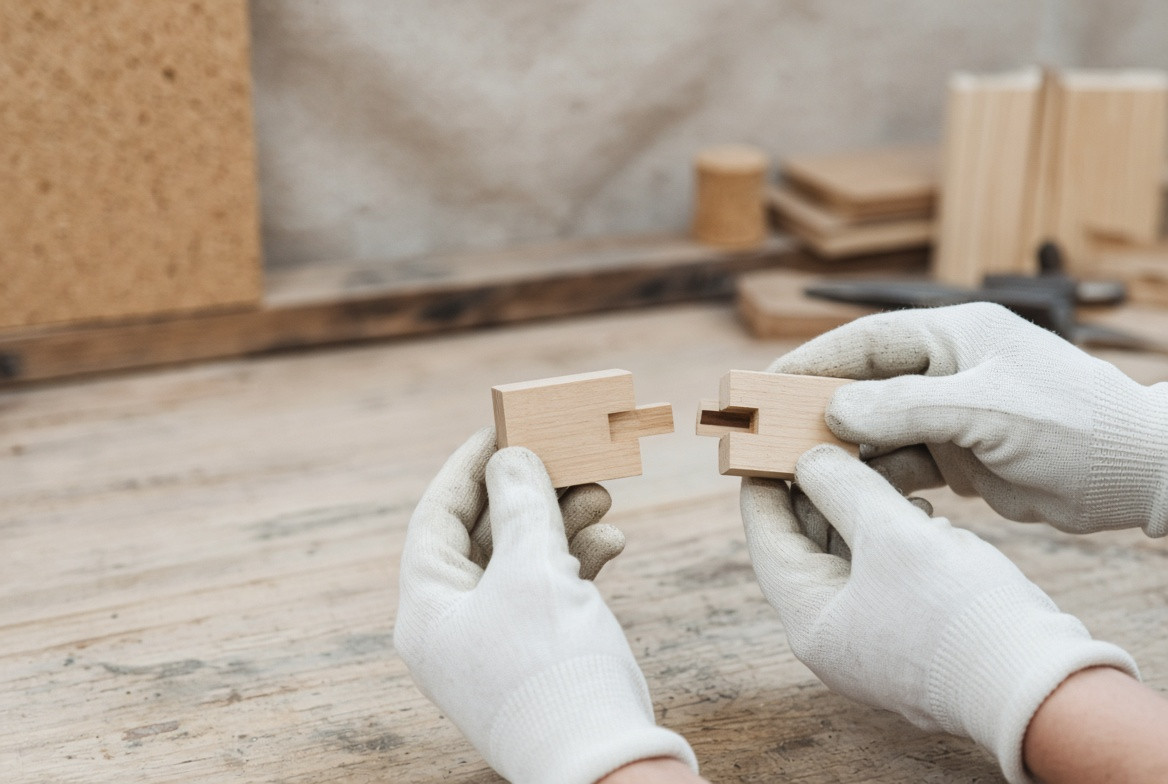
The compare handle places two visited photographs side by side. Move the seam so one view has more room, then ask what each angle reveals and hides. There is no winner, measurement or automated conclusion.
When a moment deserves another look, choose one controlled Fit Note: keep the reference uncertain, leave the opening visible, or carry context forward. A new note replaces the old one.
Reset the surface, preserve the question.
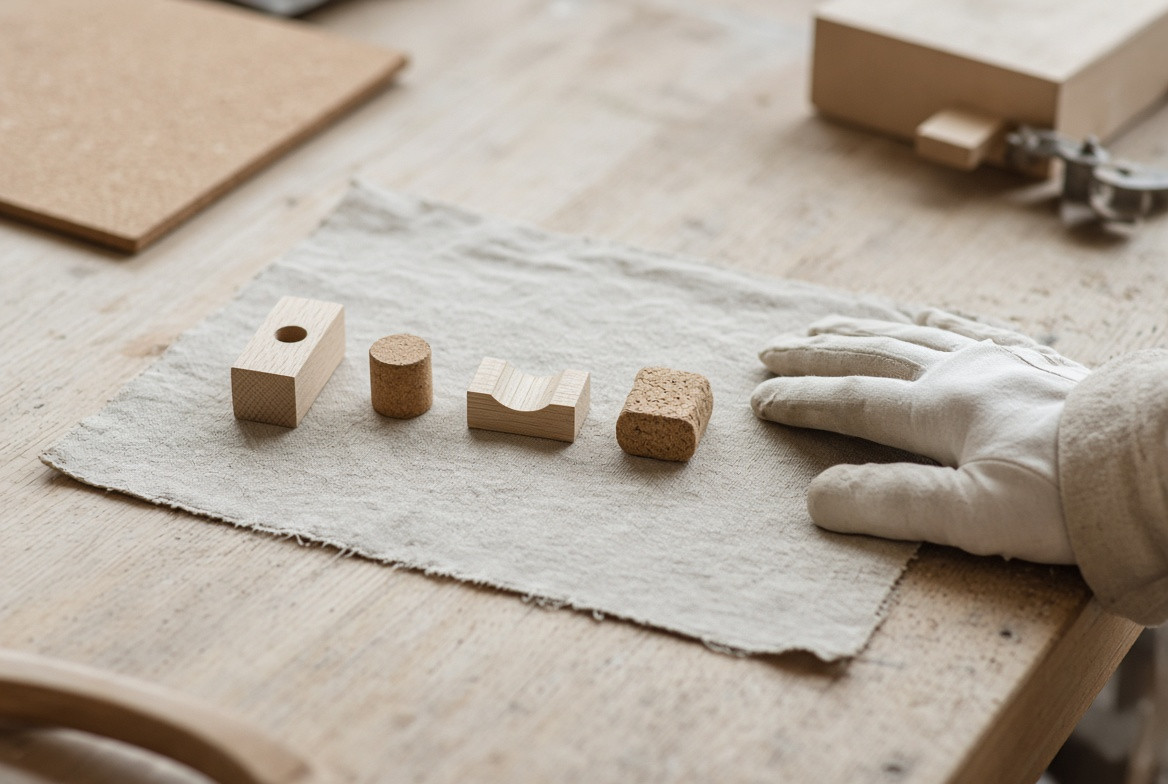
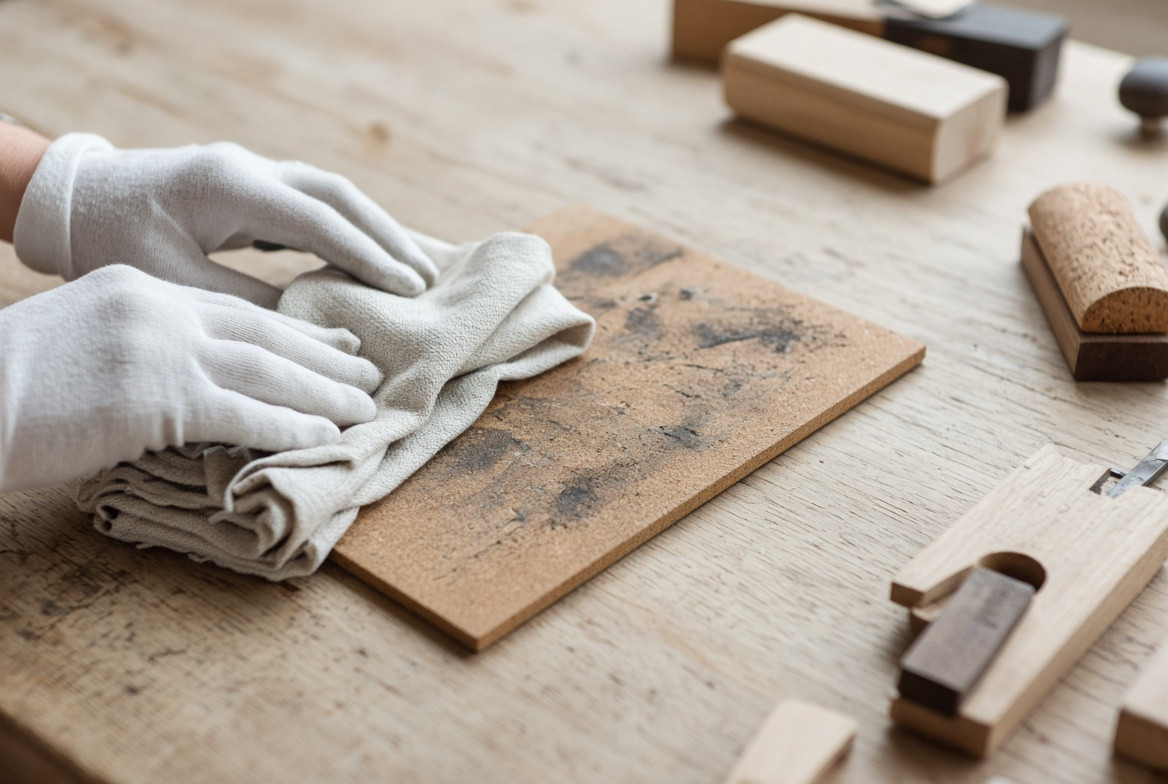
Fitpath shows released clamps, safe wooden jigs, cork, linen and idle workpieces. It avoids active tools, sparks, blades, wiring, live loads and procedural diagrams. The app teaches a way of looking, not an operating sequence.
Ten fictional workpieces create eighty different evidence views. They vary in geometry and contact pattern while keeping one calm photographic world.
Pass the context, not a certificate.
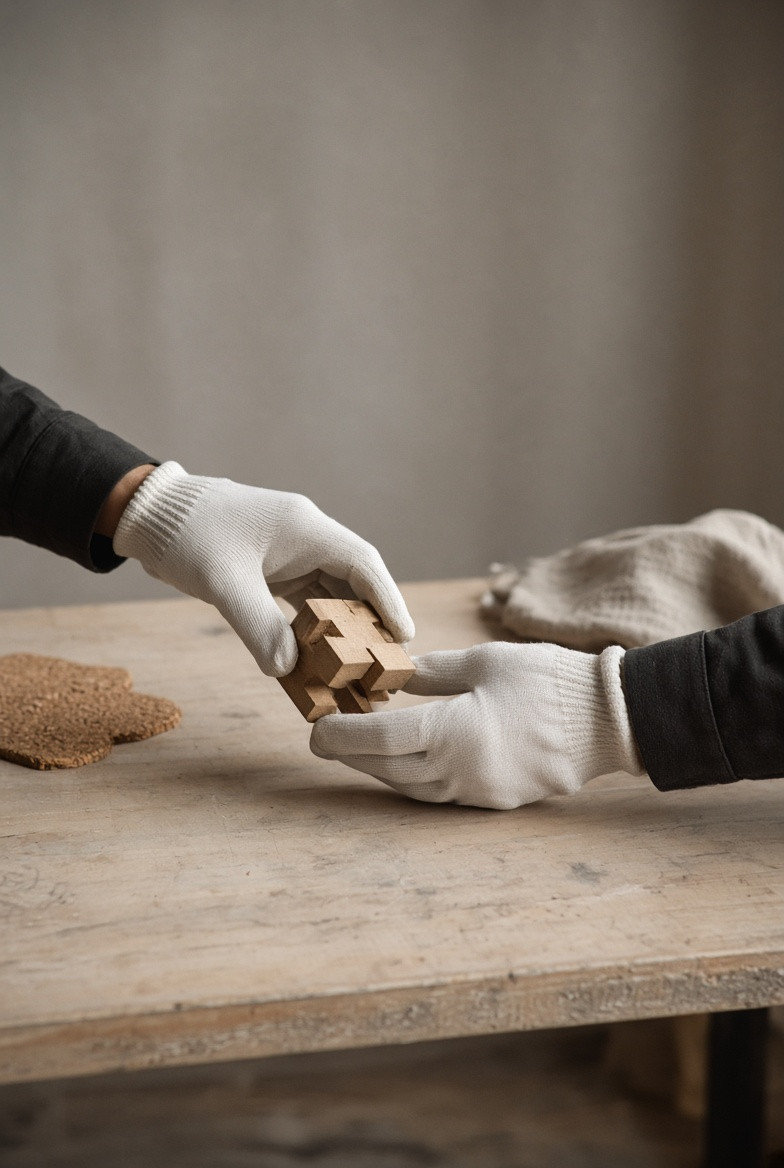
The workpiece moves diagonally toward the next photographic owner. Its orientation, opening and unresolved question travel with it. Fitpath does not certify a person, evaluate a real piece, promise employment, or replace qualified supervision, workplace procedures or manufacturer guidance.
Its payoff is quieter: a stronger habit of seeing the reference, noticing contact, keeping a stop point visible and handing off what the next person needs to know.
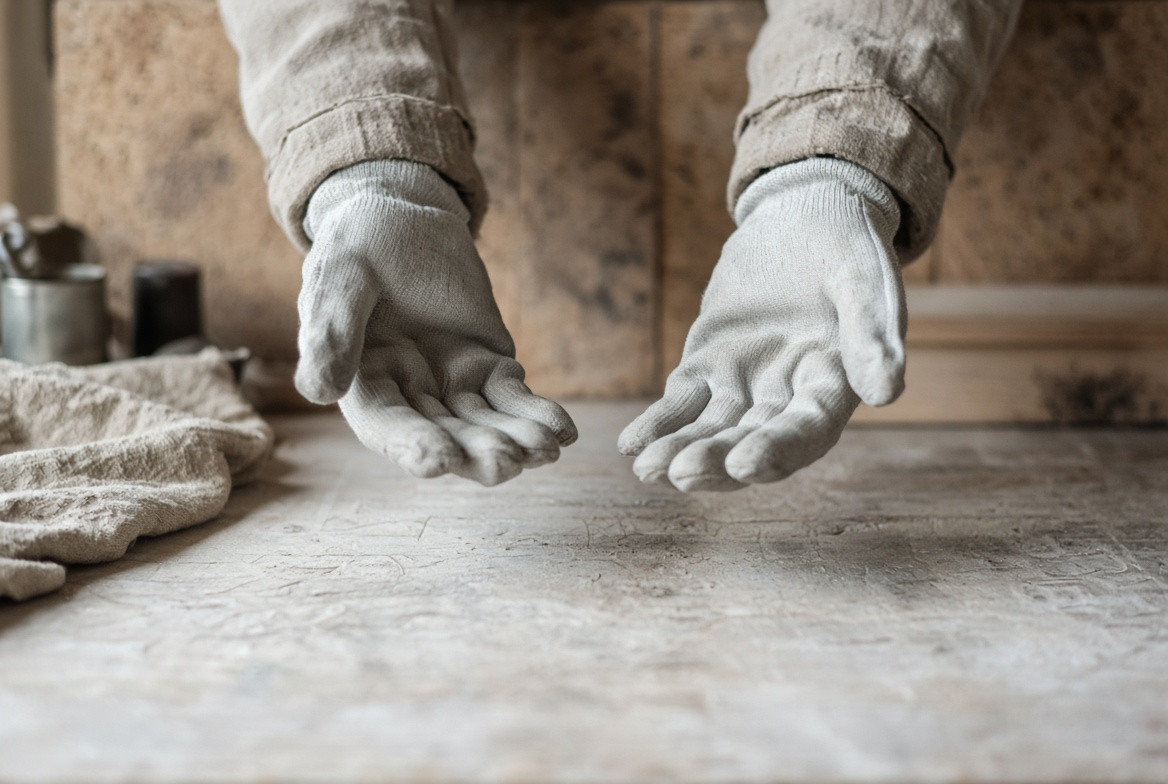
Leave the receiving surface open.
The current view, compare seam, visited views and one replaceable Fit Note can rest locally on the device. Clear them from Fitpath notes whenever you want to begin again.